


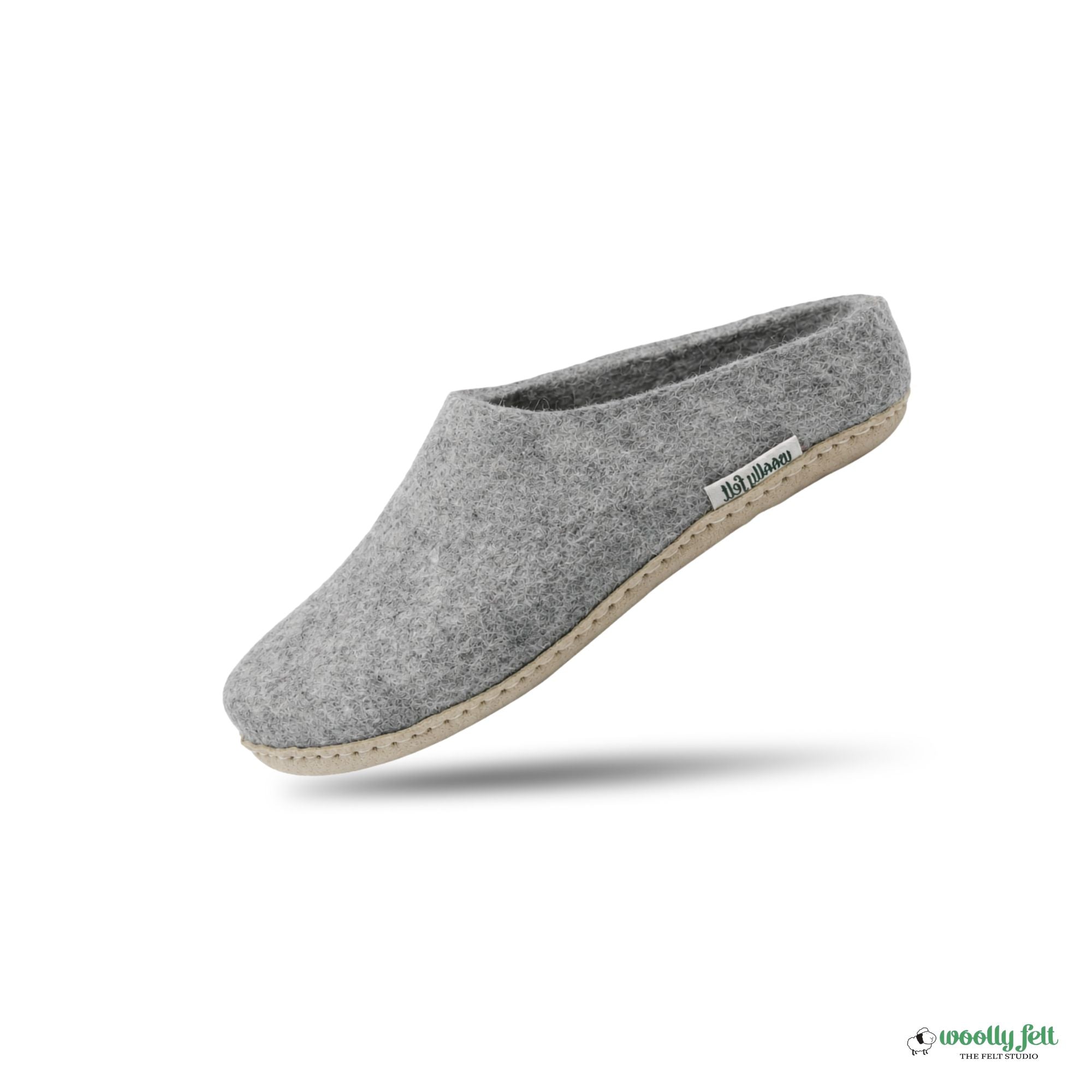
Few things compare to the comfort of slipping into a warm, cozy pair of felt slippers after a long day. Soft, breathable, and naturally insulating, felt slippers have become a favorite choice for people seeking both comfort and sustainability. But one question many buyers ask before investing in a quality pair is:
How long do felt slippers last?
The good news is that well-made felt slippers can last for several years when properly cared for. Their lifespan depends on factors such as material quality, frequency of use, and maintenance habits. In this guide, we'll explore what affects the durability of felt slippers and share practical care tips to help you enjoy them for as long as possible.

How Long Do Felt Slippers Typically Last?
On average, high-quality wool felt slippers can last between 2 and 5 years, and sometimes even longer with proper care.
Handmade felt slippers crafted from natural wool are especially durable because wool fibers naturally interlock during the felting process, creating a strong and resilient material. Unlike many synthetic fabrics, felt wool maintains its shape and comfort over time while resisting everyday wear.
The actual lifespan of your slippers depends on several factors:
-
Quality of materials
-
Craftsmanship and construction
-
Frequency of use
-
Indoor or outdoor wear
-
Cleaning and maintenance routine
Premium handmade wool felt slippers generally outperform cheaper alternatives because they use denser wool and stronger construction methods.

Why Wool Felt Is Naturally Durable
Wool has unique properties that make it one of the most durable natural materials available.
Natural Elasticity
Wool fibers can bend thousands of times without breaking. This flexibility allows felt slippers to withstand daily use while maintaining their shape.
Moisture Management
Wool naturally absorbs and releases moisture, helping to prevent excessive dampness that can weaken materials over time.
Odor Resistance
Unlike many synthetic fabrics, wool resists odor buildup naturally, reducing the need for frequent washing.
Temperature Regulation
Wool helps keep feet warm in winter and comfortable in milder temperatures, making felt slippers suitable for year-round use.
These qualities contribute to the exceptional longevity of wool felt products.

Signs Your Felt Slippers Are Aging
Even the best slippers eventually show signs of wear. Here are a few indicators that your slippers may need repair or replacement:
Excessive Sole Wear
If the sole becomes thin, uneven, or develops holes, it may no longer provide adequate support.
Loss of Shape
Over time, slippers may stretch slightly, especially if worn without proper care.
Thinning Felt
Areas around the heel and toe may become thinner after years of frequent use.
Reduced Cushioning
Natural compression can reduce comfort and support over time.
Fortunately, many of these issues develop gradually, giving you plenty of time to maintain or repair your favorite pair.

7 Care Tips to Make Felt Slippers Last Longer
1. Wear Them Indoors Whenever Possible
Most felt slippers are designed primarily for indoor use. Wearing them on rough outdoor surfaces can accelerate sole wear and damage the felt.
If you need occasional outdoor use, choose slippers with durable rubber or leather soles.
2. Let Them Air Out Daily
After wearing your slippers, allow them to air dry naturally.
Wool fibers release moisture over time, and proper ventilation helps maintain freshness and prevents unnecessary stress on the material.
3. Clean Spills Immediately
Accidents happen. If your slippers get dirty:
-
Blot excess moisture with a clean cloth.
-
Avoid rubbing aggressively.
-
Allow them to dry naturally away from direct heat.
Prompt cleaning helps prevent permanent stains and fiber damage.

4. Avoid Washing Too Frequently
One of wool's greatest advantages is that it naturally resists odors and dirt.
Instead of frequent washing:
-
Shake out dust regularly.
-
Spot clean when needed.
-
Wash only when necessary.
Overwashing can shorten the lifespan of any wool product.
5. Hand Wash Carefully
When deeper cleaning is needed:
-
Fill a basin with lukewarm water.
-
Use a mild wool-safe detergent.
-
Gently clean the slippers without twisting or wringing.
-
Rinse thoroughly.
-
Reshape while damp.
-
Allow them to air dry completely.
Avoid hot water, which may cause additional shrinking.

6. Store Properly During Off-Seasons
If you won't be wearing your slippers for an extended period:
-
Store them in a cool, dry location.
-
Avoid plastic bags that trap moisture.
-
Use breathable fabric storage bags when possible.
Proper storage helps preserve both shape and material quality.
7. Rotate Between Pairs
If you wear slippers every day, rotating between two pairs can significantly extend their lifespan.
Giving wool fibers time to recover between uses helps maintain comfort and durability.
Can Felt Slippers Be Repaired?
In many cases, yes.
Minor issues such as:
-
Loose stitching
-
Worn insoles
-
Small sole damage
can often be repaired, extending the life of your slippers even further.
This repairability is one reason why many environmentally conscious consumers prefer quality handmade felt footwear over disposable alternatives.

Are Handmade Felt Slippers More Durable?
Generally, handmade felt slippers offer superior durability compared to mass-produced options.
Handcrafted slippers often feature:
-
Higher-density wool
-
Better felting techniques
-
Stronger construction
-
Greater attention to detail
These qualities create footwear that not only feels more comfortable but also stands up better to years of everyday wear.
Why Investing in Quality Felt Slippers Pays Off
While premium wool felt slippers may cost more initially, their longevity often makes them the more economical choice.
Benefits include:
-
Long-lasting comfort
-
Reduced replacement costs
-
Better sustainability
-
Improved temperature regulation
-
Timeless style
A well-made pair can provide years of dependable comfort while reducing waste compared to frequently replacing lower-quality footwear.

Final Thoughts
So, how long do felt slippers last?
With proper care, high-quality wool felt slippers can easily last between 2 and 5 years, or even longer. Their natural durability, comfort, and sustainability make them a worthwhile investment for anyone seeking cozy, reliable indoor footwear.
By following simple maintenance habits such as proper cleaning, indoor use, and regular airing, you can maximize the lifespan of your slippers and continue enjoying their warmth and comfort for years to come.
Whether you're purchasing your first pair or looking to get more life from your current favorites, a little care goes a long way in preserving the beauty and durability of handmade felt slippers.
Share:
DIY Felt Ornament Ideas for the Holiday Season: Handmade Decorations You'll Love
Can Kittens Use Felt Wool Cat Beds? Everything New Pet Owners Need to Know